Water Damage Restoration Aurora, CO
Burst pipe, flooded basement or a hail leak? Standing water moves into subfloor and drywall within hours. Aurora water damage pros answer 24/7 and dry homes to the IICRC S500 standard.
(888) 532-8620Start the Aurora dry-out now
What to do while the water is still moving
- Shut the mainClose the main shut-off or the valve at the fixture.
- Cut wet circuitsOnly if the breaker panel is dry and safe to reach.
- Stay out of itKeep clear of standing water near outlets and cords.
- Photograph, then callPhotos first, lift rugs, then ring the Aurora line.
Water Damage Restoration Services in Aurora, CO
Fourteen kinds of water loss, each with its own page, from a split sillcock in January to a window well that fills in a July cloudburst.
 Water ExtractionTruck-mounted extraction pulls standing water out before it wicks into pad, drywall and subfloor.See the service
 Burst Pipe CleanupAging galvanized and polybutylene lines give way; the crew extracts and dries every cavity the water reached.See the service
 Frozen Pipe CleanupArctic cold snaps split sillcocks, garage lines and exterior-wall pipes, then the thaw floods the room.See the service
 Basement Flooding CleanupFull and finished basements dried in place where the readings allow it, opened where they do not.See the service
 Window Well Flooding CleanupEgress wells fill in a downpour or a heavy melt and pour water through the basement window.See the service
 Sump Pump Failure CleanupPerimeter drains on expansive clay feed the sump; when the pump quits, the basement takes the water.See the service
 Hail and Roof Leak Water DamageFront Range hail cracks shingles and skylights, and the next rain runs into the attic and ceilings.See the service
 Ceiling Leak Water DamageUpstairs bath and supply leaks traced, sagging drywall made safe, and the ceiling cavity dried.See the service
 Swamp Cooler Leak Water DamageRooftop evaporative coolers overflow or crack a pan, and water finds the ceiling below.See the service
 Water Heater Failure CleanupA rusted tank or failed fitting in the basement or garage floods fast; the crew extracts and dries it.See the service
 Flash Flood and Storm Water CleanupSummer cloudbursts overwhelm drainageways near Sand Creek and Toll Gate Creek and push water inside.See the service
 Structural DryingFraming, subfloor and wall cavities dried with LGR dehumidifiers until readings hit the S500 goal.See the service
 Sewage Backup CleanupCategory 3 from the first minute: containment, removal of porous materials, EPA-registered antimicrobial.See the service
 Commercial Water DamageOffices, clinics, retail and multifamily buildings dried in zones to keep doors open where possible.See the service
How Aurora water damage pros handle a loss
What separates a finished dry-out from a cosmetic one is the order of the work: map it, extract it, dry it, prove it.
- 1
Rapid local response
Aurora water damage pros answer around the clock. The restoration team asks what the water came from and which level is wet, so the right equipment goes on the truck.
- 2
IICRC S500 drying standard
The tech who does the walkthrough maps moisture before any equipment goes down, then the drying team dries the structure, not just the surface.
- 3
Claim-ready documentation
Most crews record daily moisture readings and take timestamped photos before anything is removed, the file an adjuster reads.
- 4
Front Range water experts
Arctic freezes, hail, window wells, sump pits and swelling clay: the local restoration pros plan the dry-out around how water moves in an Aurora house.
What does water damage restoration cost in Aurora, CO?
In Aurora, CO, water damage restoration typically runs $1,000 to $10,000 or more. The biggest drivers are the water category, the square footage that got wet, the material class (carpet and drywall dry faster than hardwood and plaster) and how fast drying started.
These are typical ranges, not a quote. For a planning number based on your own loss, use the Aurora water damage cost calculator.
Minor, one area
- Clean water, caught early
- Extraction and air movers
- Daily moisture readings
Moderate, several rooms
- Finished basement or two levels
- Pad and drywall removal
- LGR dehumidifiers
Major or contaminated
- Category 2 or 3 water
- Containment and antimicrobial
- Full structural drying
All water damage categories covered in Aurora, CO
Category 1, 2 and 3 water are handled differently, and the category is set before anything is removed.
Category 1, clean water
A supply line, burst pipe or water heater. Often dried in place if drying starts early.
Category 2, gray water
Washer and dishwasher overflows, window well and sump water. Soaked pad usually comes out.
Category 3, black water
Sewage and outside floodwater. Porous materials it touched get removed, not dried.
Sewage backup cleanup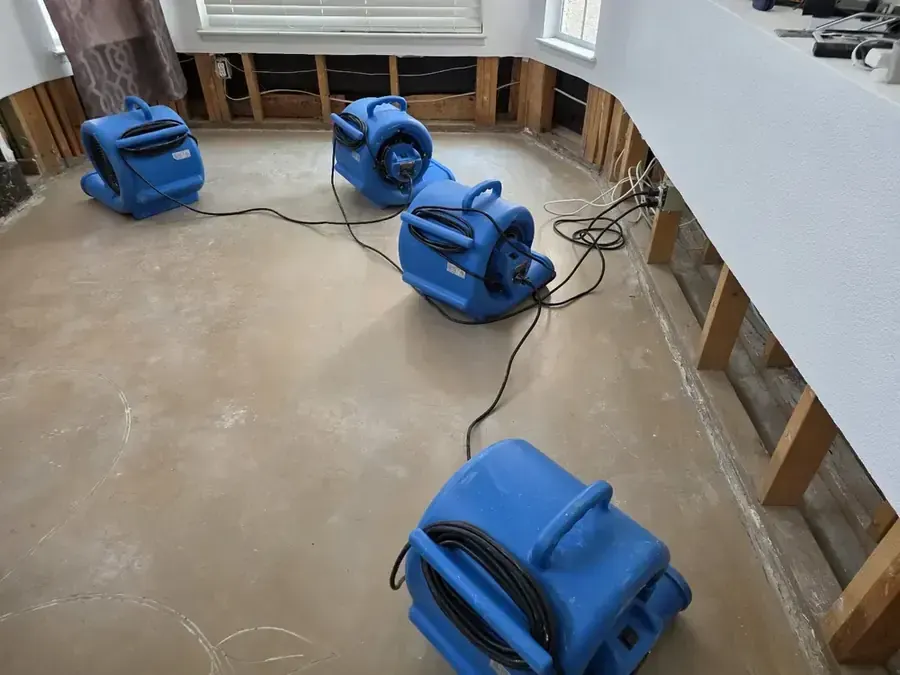
Aurora water damage experts, on call day and night
The Aurora restoration team handles water damage around the clock and takes emergency water calls across the city, from Original Aurora to Saddle Rock.
Those crews work to the IICRC S500 standard: moisture mapping first, extraction, air movers and LGR dehumidifiers sized to each room, and daily readings until the structure is dry. The restoration team explains that process in plain words, so you know what a proper dry-out looks like before anyone starts.
How the Aurora line worksWater damage dried to the IICRC S500 standard
The gear a real dry-out runs on
- Truck-mounted extraction pulls standing water out of the building.
- Thermal imaging and pinless meters find water behind walls.
- Air movers set to each room's evaporation load.
- LGR dehumidifiers, and desiccants for Class 4 materials.
Documentation for your insurance claim
A water claim is decided on the file. A complete file carries:
- The moisture map from day one
- Daily psychrometric and moisture logs
- Timestamped photos before any demolition
- The category and class of the loss
Sudden and accidental water is treated differently from outside flooding. Coverage depends on your policy, so it is worth checking with your own insurer.
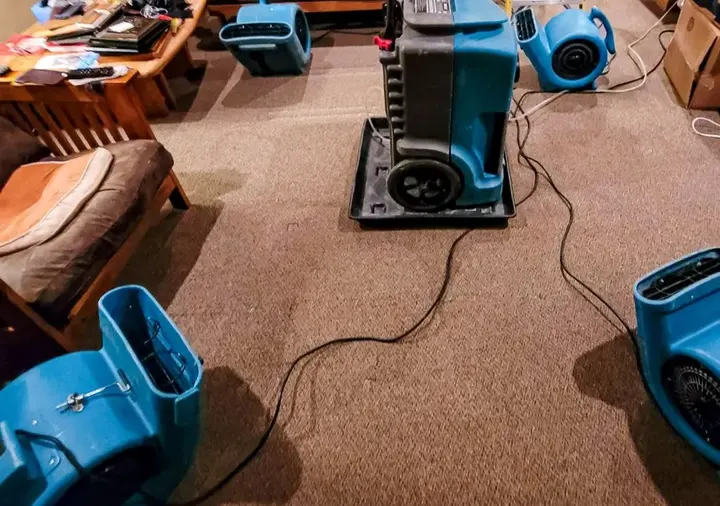
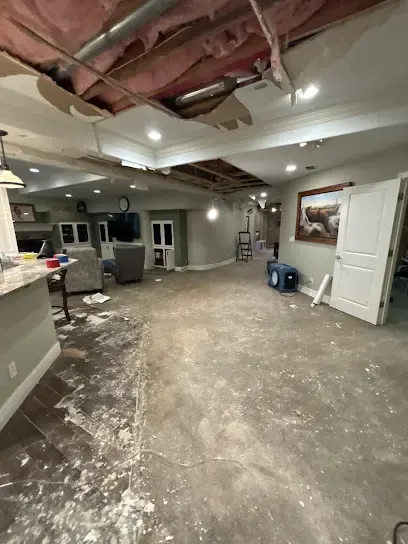
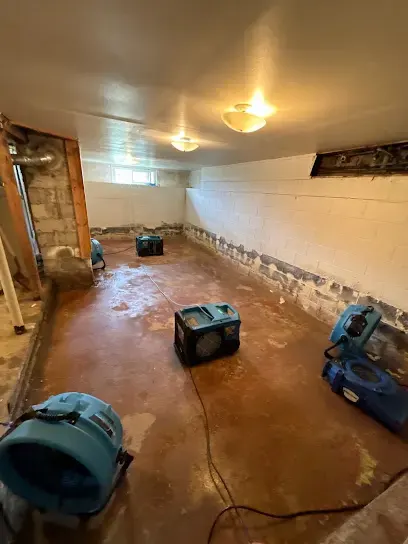
What a water damage dry-out looks like in Aurora
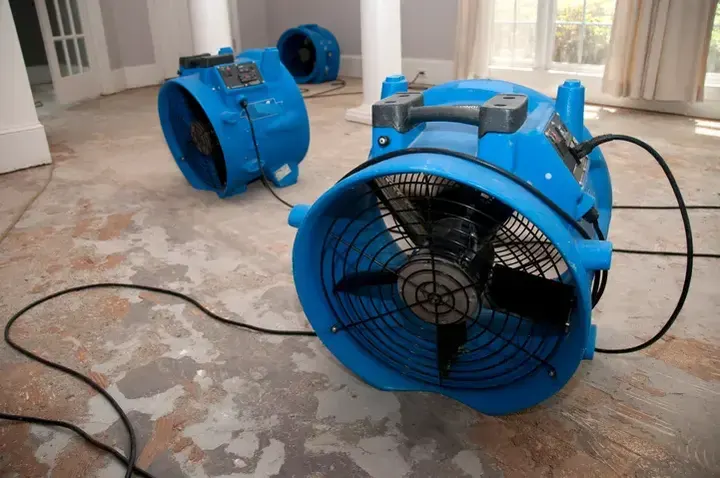
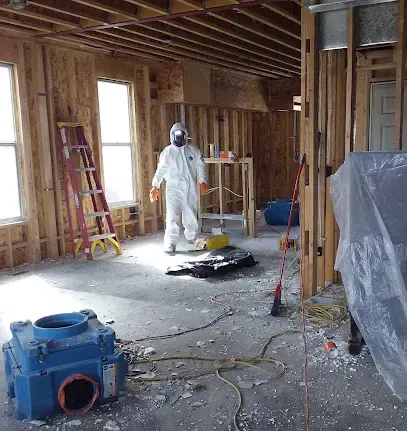
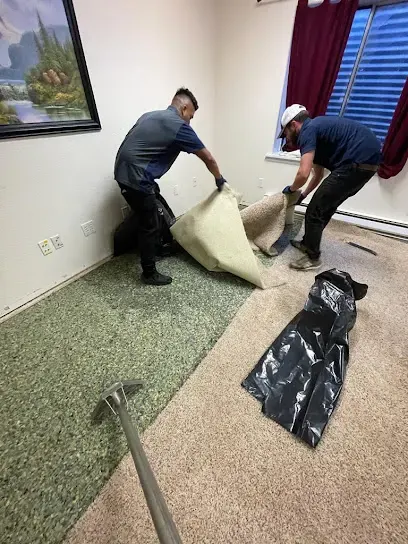
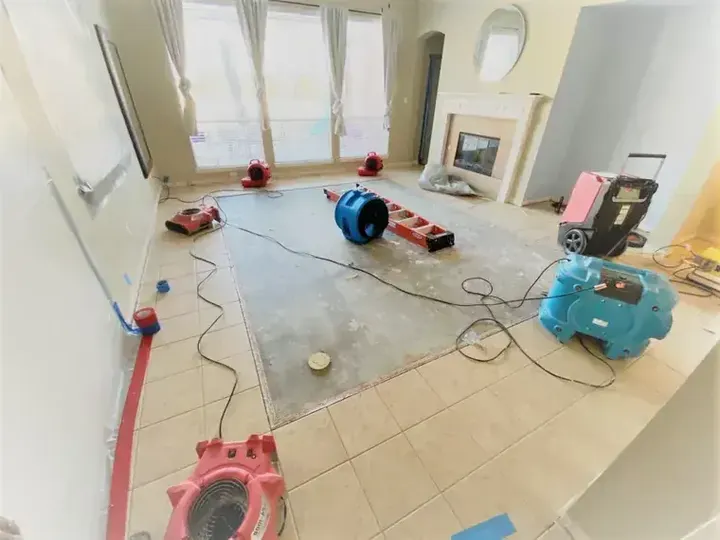
Water damage coverage across Aurora, CO
The Aurora line takes calls from every corner of the city, across Adams and Arapahoe counties, day or night.
Aurora ZIP codes the team covers
Neighborhoods
Also covered: Centennial, Parker, Foxfield, Greenwood Village, Glendale, Commerce City, Watkins and Bennett.
One call reaches Aurora water damage pros, 24/7
The line is toll-free and open around the clock. The restoration team that answers asks where the water came from, which level is wet and whether the power is off, then gets a crew moving.
(888) 532-8620Call the Aurora restoration team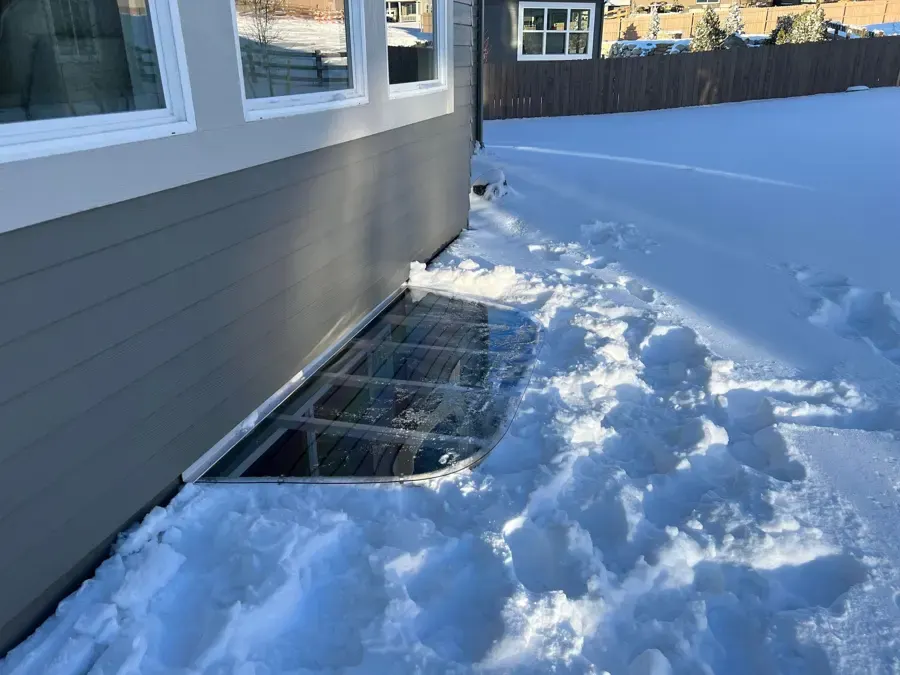
Water damage in Aurora, CO: the local risk profile
Aurora sits at about 5,400 feet on the high plains east of Denver, on clay soil that swells when wet. A few patterns drive most losses here.
- Arctic cold snaps split sillcocks, garage lines and pipes in exterior walls.
- Expansive clay shifts slabs and pushes water through window wells and into sump pits.
- Hail from May to August cracks shingles and skylights ahead of the next rain.
- Postwar homes near Colfax carry aging galvanized lines; 1978 to 1995 homes may have polybutylene.
- Summer cloudbursts run through Sand Creek, Toll Gate Creek and Westerly Creek.
Aurora water damage questions, answered
What should I do first when water is spreading?
If it is safe, close the main water shut-off, switch off power to wet rooms at a dry breaker panel, and stay out of standing water near outlets. Photograph the damage before moving things, lift rugs and belongings off the floor, then call. Materials need to start drying within 24 to 48 hours to limit mold growth.
How quickly can a crew reach an Aurora home?
Aurora water damage pros dispatch emergency water calls as they come in, day or night. How quickly a crew reaches you depends on the time of day, the weather and where in the city you are, so the best move is to call as soon as you find the water.
Is water damage covered by insurance in Colorado?
Sudden and accidental water, like a burst pipe or a failed water heater, is often covered after the deductible. Rising surface water usually needs flood coverage, and sewer backup often needs an endorsement. Coverage depends on your policy, so it is worth checking with your own insurer.
What causes most water damage in Aurora?
Frozen and burst pipes in cold snaps, basement water through window wells and failed sump pumps on expansive clay, hail and roof leaks in summer, swamp cooler leaks, aging water heaters and sewage backups in older north Aurora homes.
How long does it take to dry a house after water damage?
A contained Class 1 loss, one room with low-porosity materials, usually dries in three to five days. Hardwood, plaster and concrete take longer. Equipment comes out when the wet materials read within 2 to 4 points of a dry reference, not on a set date.
What is the difference between mitigation and repair?
Mitigation stops the damage: extraction, removal of what cannot be saved, and drying. Repair, or reconstruction, replaces drywall, flooring and trim after the structure is dry. Mitigation comes first because repairs over wet framing fail.
When does drywall have to come out?
When it is soaked with dirty water, sagging, or wet inside the wall where air cannot reach it. Drywall touched by clean water and caught early can often be dried in place with small vent openings.
Why is sewage handled differently?
Sewage is Category 3 water that carries bacteria and viruses. Crews use protective gear and containment, remove porous materials it touched, and apply an EPA-registered antimicrobial before drying.
Water in your Aurora home? Call now.
Every hour of standing water adds to what has to be removed. The Aurora line runs day and night.